Nobody's Here — And That's Exactly the Point: The Strange Magic of Shimabara's Anonymity

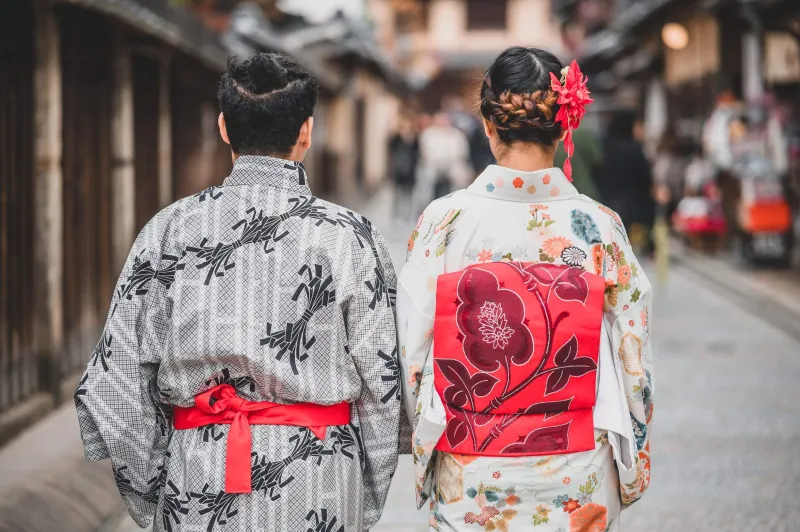
Photo: quiet Japanese town street with traditional buildings and no tourists, via play-lh.googleusercontent.com
Let's be honest about how most Americans plan a trip to Japan. They open Instagram, screenshot the bamboo grove in Arashiyama, the deer park in Nara, the neon chaos of Shinjuku. They build an itinerary around images they've already seen a hundred times. And when they get there, they find exactly what they expected: the same shots, the same crowds, the same experience that a million other travelers had before them.
Shimabara doesn't work that way. There's no viral photo. No influencer circuit. No English-language walking tour that shuttles you between curated highlights. What there is — and this takes a beat to appreciate — is Japan without the performance layer. And once you've had that, it's genuinely hard to go back.
The Infrastructure That Isn't There (And Why That's a Gift)
First-time visitors to the Shimabara Peninsula sometimes feel a low-grade panic in the first 24 hours. The train station is small. The signage is mostly in Japanese. The restaurant menus have no photos, or photos that don't match anything you recognize. Your translation app is doing its best.
Here's what happens next, though: you figure it out. You point. You smile. The woman behind the counter at the udon shop laughs, not unkindly, and brings you something warm and exactly right. You eat it without knowing its proper name. It's the best thing you've had all trip.
That friction — the mild, manageable, ultimately harmless friction of being somewhere that wasn't designed for you — is the thing that makes travel feel like travel again. Shimabara hasn't smoothed out its edges to accommodate visitors, and the result is that visitors have to meet the place halfway. That negotiation is where the actual memories get made.
What Crowds Actually Cost You
Spend a morning at Fushimi Inari in Kyoto and you'll understand crowd math pretty quickly. The torii gates are genuinely stunning. They're also genuinely packed, from before sunrise to well after dark, with people trying to photograph a moment of solitude that no longer exists there.
Shimabara offers a different calculation. Walk the old samurai district in the castle town and you might share the street with a handful of locals walking their dogs. Wander down to the waterfront at Shimabara Port and you're looking at the same bay the local fishing boats have been working for centuries, without a souvenir stand in sight. Climb the trails on the flanks of Unzen's volcanic terrain and the silence is the kind that actually registers — the kind you feel in your chest.
None of this is because Shimabara is underdeveloped or lacking. It's because the region has a life that exists independently of tourism, and visitors get to observe that life rather than displace it. That's a distinction worth traveling across the Pacific for.
The Curiosity Tax
There's an unwritten entry fee to Shimabara, and it has nothing to do with yen. It's curiosity. The region rewards travelers who show up willing to not know things, willing to wander without a destination, willing to let an afternoon go completely sideways and come out better for it.
That might mean ducking into a small temple that isn't in any guidebook and sitting quietly while an elderly woman arranges flowers at the altar. It might mean following a hand-painted sign down a side road because it seemed to point toward water. It might mean accepting a cup of tea from a shopkeeper who speaks no English and spending twenty minutes communicating entirely through gesture and laughter.
These aren't experiences you can book. They're not on any app. They happen because you're in a place that hasn't been pre-digested for you, and you've given yourself permission to be genuinely present in it.
Why People Come Back
Talk to travelers who've been to Shimabara more than once — and there are more of them than you'd expect — and a pattern emerges. They don't come back for a specific attraction. They come back for a feeling.
It's the feeling of being somewhere that doesn't need you to validate it. The castle has been standing since the 1600s and will keep standing whether you photograph it or not. The hot spring towns of Unzen have been drawing visitors since the Edo period. The fishing villages along the coast operate on rhythms that predate the internet by several centuries.
There's something quietly humbling about that. American travel culture is deeply oriented around the idea of experiences as achievements — places to check off, photos to collect, stories to perform back home. Shimabara gently deconstructs that impulse. You can't really conquer it. You can only spend time in it, and leave changed in ways that are harder to caption.
How to Actually Do This
If you're convinced, here's the practical reality: Shimabara is reachable by ferry from Kumamoto (one of the most scenic short crossings in Japan) or by train from Nagasaki. Both routes take under two hours. You don't need a car, though having one opens up the peninsula's rural corners considerably.
Budget more time than you think you need. A long weekend is enough to scratch the surface; a week is enough to start feeling like you understand the place. Stay in a locally run guesthouse if you can — the kind where breakfast appears without being ordered and the owner's family dog wanders through the common area.
Leave a day or two with nothing planned. Seriously. The best Shimabara stories are the ones that start with "I didn't know what I was going to do that morning."
The region isn't for everyone. If you need a packed schedule, English menus, and the reassurance of a five-star review, there are better fits. But if you've done the famous circuit and found yourself wanting something that felt more real — Shimabara has been waiting, unhurried and entirely itself, for exactly that kind of traveler.