Off the Map and Into Real Life: Shimabara's Coastal Villages That Tourism Forgot
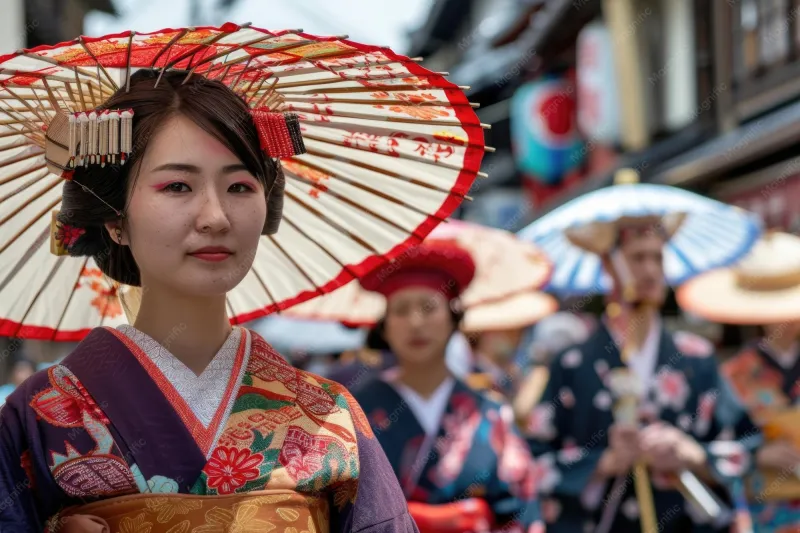
Photo: Japanese fishing village coastal community Kyushu traditional boats morning, via img.freepik.com
Somewhere between the ferry terminal at Shimabara Port and the photogenic samurai district in town, most visitors make a decision — consciously or not — to stick to the itinerary. And that's fine. The castle is worth seeing. The carp-filled water channels are as charming as advertised. But if you keep driving south along the coast, or take one of the small boats out toward the island communities scattered across the Ariake Sea, you enter a completely different version of Kyushu. One that doesn't have a tourist information booth.
These are the places that remind you why you came to Japan in the first place.
What "Undiscovered" Actually Means Here
Let's be clear about something: "undiscovered" doesn't mean undeveloped or struggling. The fishing and farming communities along Shimabara's southern coastline and the smaller island settlements in the surrounding waters are functioning, living places with their own economies, social calendars, and deep pride in local tradition. They haven't been bypassed by modernity — they've simply never been packaged for outside consumption.
There are no English-language walking tour brochures. The restaurants don't have QR code menus. When you walk into a small family-run shop, the owner might look genuinely surprised to see you — not unwelcoming, just unused to the audience. That surprise, and the warmth that usually follows it, is something no amount of careful curation can replicate.
Life Along the Water
The fishing communities on Shimabara's coastline operate on a schedule dictated entirely by tides and seasons. Early mornings here mean boats heading out into the Ariake Sea, which is famous throughout Japan for its extraordinary tidal range — at low tide, the mudflats extend so far from shore that the landscape looks almost lunar. This tidal ecosystem supports a remarkable variety of seafood, including the local hamaguri clams and the prized tairagi (fan scallop) that shows up in regional cooking.
If you time your visit right — and this usually means showing up before 7 a.m. without any specific plan — you can watch the catch come in at small local docks where there's no performance for visitors. Fishermen sorting nets, sorting catch, calling across boats to each other in thick Kyushu dialect. It's the kind of scene that feels private in the best possible way, like you've been quietly admitted to something real.
Some of the smaller coastal settlements still practice traditional nori (seaweed) cultivation in the shallow waters of the bay. The wooden frames used to dry the harvest are a distinctive visual feature of the shoreline in autumn and winter, stretching into the water in long geometric rows that catch the low winter light beautifully.
The Islands: A Different Kind of Slow
A short boat ride from the peninsula's coast opens up access to a handful of small island communities that operate at a pace that feels almost disorienting to visitors from the American mainland. Life on these islands is organized around agriculture, fishing, and the kind of tight-knit social structure that comes from generations of geographic isolation.
Populations here are small and skewing older, which means the traditions these communities carry — specific styles of folk craft, particular festival customs, regional cooking techniques passed down through families rather than documented anywhere — exist in a kind of quiet urgency. They're very much alive, but they're not being amplified.
Visitors who make the effort to get out here often report the same thing: a meal that ended up lasting three hours because the host kept bringing more food and more stories. A festival they stumbled into with no advance knowledge and no idea what was being celebrated, but somehow ended up at the center of anyway. These aren't manufactured encounters. They happen because you showed up somewhere unexpected and the people there decided to be generous.
How to Actually Do This
There's no official "undiscovered village tour" — and that's kind of the point. But there are a few practical approaches that work well for independent travelers.
Renting a car is essential for the coastal communities on the peninsula itself. Public transit thins out considerably once you leave Shimabara city, and the best moments out here tend to happen when you can pull over on a whim. A decent road map (the old-fashioned paper kind, available at convenience stores) is more useful than Google Maps in some of these areas, where road names don't always match what's on your phone.
For the island communities, ask at the Shimabara ferry terminal about local boat schedules. Some routes run only a few times a day and aren't listed on any major travel site. The staff there tend to be helpful and occasionally enthusiastic about the fact that someone wants to go somewhere genuinely off the beaten path.
Learn five phrases before you go: hello, thank you, "this is delicious," "may I take a photo?" and "I'm sorry, I don't speak Japanese." You won't need more than this to have a meaningful exchange in most of these communities. People here respond warmly to the effort, even when the language barrier is total.
What You Carry Home
The souvenirs from these places aren't the kind you can buy in a gift shop. They're the memory of watching an elderly woman arrange dried persimmons outside her house in the November cold, moving with the unhurried confidence of someone who has done this ten thousand times. They're the flavor of a bowl of chanpon noodles eaten at a counter with four seats, where the recipe hasn't changed since the current owner's grandmother ran the place.
Shimabara's coastal villages and island communities aren't waiting to be discovered. They're not waiting for anything. They're just living, in the most complete sense of the word — and if you're willing to go looking, they'll let you stand alongside that for a while.
That's a rarer thing than most travel experiences can offer.