Circle the Calendar: Shimabara's Festivals Are the Best Japan Story You Haven't Heard Yet
Photo: Marie-Sophie Mejan, CC BY 4.0, via Wikimedia Commons
Most Western travel guides give Shimabara a paragraph, maybe two. They mention the castle, nod at the volcano, and move on. What they almost never mention is that this peninsula runs one of the richest, most historically layered festival calendars in all of Kyushu — and that attending even one of these events puts you inside a living tradition that most tourists in Japan never get close to.
This is your year-round field guide. Dog-ear it.
Spring: Cherry Blossoms With Actual Meaning
Shimabara Castle Cherry Blossom Festival (Late March–Early April)
Japan's hanami season is famous worldwide, but cherry blossom viewing in Shimabara hits differently. The castle grounds are lined with over 200 sakura trees, and when they bloom, locals gather for picnics, sake, and the kind of unhurried afternoon that feels genuinely rare in modern life.
What makes this more than a pretty backdrop is context. Shimabara Castle was built in the 1620s by the feudal lord Matsukura Shigemasa — the same ruler whose brutal tax policies and persecution of Christians helped spark the Shimabara Rebellion of 1637. Standing under those blossoms with that history beneath your feet gives the whole thing a weight that cherry blossom parties in Ueno Park simply don't carry.
Tip: Come on a weekday if you can. Weekend crowds are manageable by Japanese standards but the weekday version is something else — quieter, more local, more real.
Hojo Tenjin Spring Festival (April)
Smaller and far less photographed than the castle event, this shrine festival near Hojo draws deeply local crowds. Traditional music, food stalls selling regional specialties like guzoni (a savory mochi soup unique to the peninsula), and a procession that moves at the pace of another era entirely. If you want to feel like a guest at a family gathering rather than a visitor at a performance, this is your event.
Summer: Fire, Water, and the Bay Lit Up
Shimabara Water Festival (Late July)
Shimabara's nickname — "Water City" — comes from the natural spring water that flows through the streets of the Teppo-cho district, filling stone channels that locals use for washing vegetables and cooling sake. In late July, the city celebrates this resource with a festival that combines traditional performances, local food vendors, and an unmistakable sense of civic pride.
For Americans, the closest cultural analog might be a hometown Fourth of July block party — deeply local, zero pretension, completely welcoming to anyone who shows up with genuine curiosity.
Shimabara Port Fireworks Display (August)
August in Japan means fireworks, and Shimabara's show over Ariake Bay is genuinely spectacular. The bay provides a natural amphitheater effect, bouncing light off the water and framing Unzen's volcanic silhouette in the background. Arrive early to claim a waterfront spot and bring snacks from the stalls that set up along the promenade.
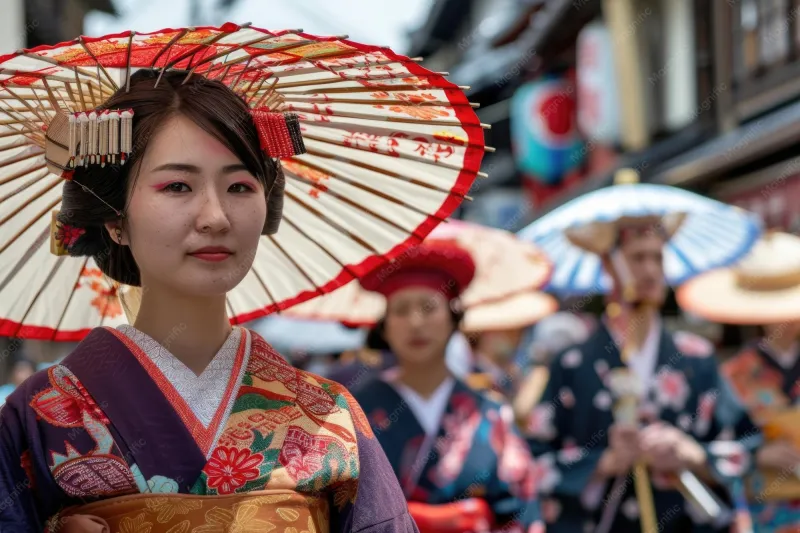
This is also one of the best opportunities to see yukata — traditional summer kimono — worn casually and authentically, not for tourist photos but because people actually dress this way for summer festivals here.
Autumn: Harvest, History, and Something Older
Shimabara Autumn Festival (October)
October brings one of the peninsula's most visually striking events: a multi-day festival centered around the city's shrines that includes traditional mikoshi (portable shrine) processions, taiko drumming, and performances of hono bugaku — ancient ceremonial court dance that predates most of what we think of as "traditional Japan."
The agricultural undertone is impossible to miss. The peninsula's farming communities still observe the harvest calendar seriously, and the autumn festival carries that weight. It's a celebration of what the land gave this year, offered back to the forces — divine or otherwise — that made it possible.
For visitors, the most memorable part is often the street-level chaos of the procession: children in elaborate costume, elders keeping pace with the portable shrine, and the kind of communal energy that no amount of stage-managing could replicate.
Unzen Onsen Autumn Leaf Festival (November)
A short drive up the mountain from Shimabara city, Unzen transforms in November as the volcanic highland's maple trees turn a deep, saturated red. The onsen town hosts evening illuminations that light the foliage from below, creating a scene that stops people mid-sentence.
This one draws more visitors than most Shimabara events, so it's less "hidden gem" and more "genuinely beautiful thing that still hasn't been overrun." Book accommodation in Unzen itself if you can — waking up inside the steam and the color is worth every yen.
Winter: Quiet Traditions and New Year's Fire
Shimabara Castle Winter Illumination (December)
As December settles in, the castle grounds are strung with lights that reflect off the moat. It's not as elaborate as the illumination events in larger cities, and that's precisely the point. There's a stillness to a winter evening in Shimabara that feels earned — like the city has been working hard all year and is finally allowed to breathe.
Hatsumode at Shimabara Shrines (January 1–3)
New Year's is arguably the most important cultural event on the Japanese calendar, and spending it in a small city like Shimabara means experiencing it at human scale. The first shrine visit of the year (hatsumode) at Shimabara's local shrines draws residents in their finest clothes, with vendors selling omikuji (fortune slips), omamori (protective charms), and warm amazake to keep the cold at bay.
As an American visitor, showing up here on New Year's morning is one of the most genuinely immersive things you can do in Japan. Nobody's performing for you. Everyone's just doing what they do.
How to Participate Like You Belong
A few principles that apply across every event on this list:
- Eat what's being sold. Festival food in Shimabara is regional, seasonal, and often unavailable anywhere else. Don't default to the familiar.
- Follow the lead of the people around you. Bowing, clapping at shrines, removing shoes — watch and mirror. Nobody expects perfection, but effort is noticed and appreciated.
- Learn three words of Japanese. Oishii (delicious), arigatou gozaimasu (thank you very much), and sumimasen (excuse me/sorry) will take you surprisingly far and signal that you're a guest, not a spectator.
- Stay past the main event. The best moments at any Shimabara festival happen in the last hour, when the crowds thin and the people who are actually from here start to relax.
Shimabara's calendar isn't trying to impress you. It's just doing what it's always done — marking time, honoring history, feeding people, celebrating survival. That's exactly why it's worth your time.