Yoshidaya Miso: The Shimabara Fermentation Shop That Locals Have Been Keeping to Themselves
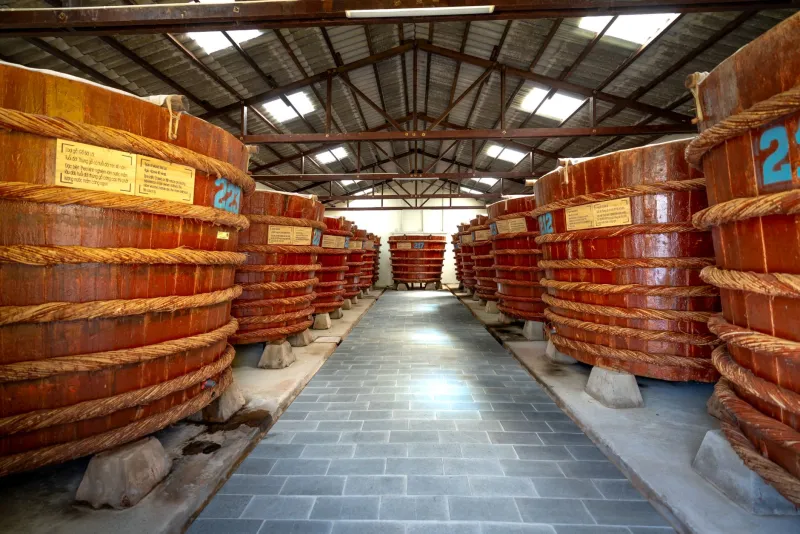
If you've spent any time wandering Shimabara's old town, you've probably noticed a certain smell. Not unpleasant — actually the opposite. Rich, earthy, faintly sweet. Like something good has been sitting in a wooden barrel for a very long time. Follow that smell long enough and there's a decent chance you'll end up at Yoshidaya Miso.
This is the kind of shop that doesn't show up on the first page of any travel roundup. It's not trying to. But once you know it's there, it becomes one of those places you build your whole morning around.
What Is Yoshidaya Miso, Exactly?
Yoshidaya is a traditional miso producer based in the Shimabara region of Nagasaki Prefecture in Kyushu, Japan. They specialize in handcrafted miso paste — the fermented soybean product that forms the backbone of Japanese cooking — made using methods that haven't changed much in generations.
For American visitors who mostly know miso from the little cup of soup at a sushi restaurant, walking into Yoshidaya reframes the whole thing. This isn't a pantry staple. It's a craft product with real depth, real variation, and a story that connects directly to the land and climate of the Shimabara Peninsula.
The shop carries multiple varieties, each with its own flavor profile depending on fermentation time, salt content, and the ratio of soybeans to koji (the mold culture that drives fermentation). Some are mild and slightly sweet. Others are darker, saltier, more complex. A few are aged long enough that they develop something almost wine-like in their intensity.
Why Shimabara Miso Is Different
Miso isn't miso everywhere in Japan. Regional styles vary dramatically, and the Kyushu tradition leans toward mugi miso — barley miso — which tends to be lighter in color and sweeter in flavor than the darker varieties more common in the Kanto region around Tokyo.
Shimabara's specific geography adds another layer. The peninsula sits between Ariake Bay and the Amakusa Sea, with volcanic soil underfoot and a climate that stays relatively mild year-round. The water quality, the local soybeans, the humidity that settles in off the bay — all of it shows up in the finished product in ways that are subtle but real.
If you're the kind of traveler who cares about terroir in wine or single-origin in coffee, the concept translates directly here. Where the miso is made matters. Yoshidaya's product tastes like Shimabara — and that's not a marketing line. It's just the truth of fermentation.
What to Expect When You Visit
The shop itself is small and unpretentious. Don't expect a glossy retail experience. What you get instead is something more valuable: the chance to taste before you buy, ask questions, and leave with something you actually understand.
If you're visiting with limited Japanese, don't stress. The staff are accustomed to curious visitors, and pointing and tasting goes a long way. Bring a translation app if you want to dig into the specifics, but honestly, the miso will do most of the talking.
A few things worth knowing before you go:
- Bring cash. Smaller traditional shops in Shimabara often don't accept foreign credit cards, and Yoshidaya is no exception.
- Buy more than you think you need. Miso travels well in sealed packaging, and you will absolutely regret buying only one small tub.
- Ask about seasonal varieties. Like any fermented product, availability shifts throughout the year. What's in stock in spring might not be there in fall.
How to Use It Back Home
Here's the part where a lot of American travelers get stuck. You bought the miso. You got it home. Now what?
The obvious answer is soup, and yes, a simple miso soup made with Yoshidaya's paste is going to ruin you for the grocery store stuff permanently. But miso is one of the most versatile fermented ingredients in any kitchen, and it's worth experimenting.
Try whisking it into salad dressings with sesame oil and rice vinegar. Mix it into butter and melt it over grilled vegetables or roasted sweet potatoes. Use it as a marinade base for salmon or chicken thighs. Stir a small spoonful into stews, ramen broth, or even a pasta sauce for a hit of umami that doesn't announce itself but makes everything taste more like itself.
The darker, longer-aged varieties work especially well in applications where you want depth without sweetness. The lighter mugi-style miso is great for delicate soups, dressings, and anything where you want the fermented flavor without it taking over.
The Bigger Picture: Why Shops Like This Matter
Yoshidaya Miso isn't just a place to buy a condiment. It's one of the living threads that connects Shimabara to its own history. Fermentation has been central to Japanese food culture for centuries, and regional miso producers like this one are the reason local flavor traditions survive at all.
As bigger brands and industrial production continue to consolidate the Japanese food market, small shops like Yoshidaya represent something worth supporting. When you buy a tub of their miso, you're not just taking home a souvenir — you're participating in the continuation of something that took generations to develop.
For travelers who want their experiences to mean something beyond the Instagram post, that's worth a lot.
Getting There
Yoshidaya Miso is located in Shimabara city, accessible by the Shimabara Railway from Isahaya or by car from Nagasaki. The old town shopping streets are walkable, and a visit to Yoshidaya pairs naturally with a morning stroll past Shimabara Castle and through the samurai residential district nearby.
Plan to spend at least a few minutes — ideally longer. This is not a grab-and-go situation. Let yourself slow down, taste a few options, and have a small moment of appreciation for the fact that somewhere in the world, people are still making food this way.
Some of the best things you bring home from a trip aren't the things you planned to buy. Yoshidaya Miso has a way of becoming one of those things.