Stop Chasing, Start Finding: How Shimabara Cures the Itch You Didn't Know Was FOMO
There's a specific kind of exhaustion that hits American travelers somewhere around day four of a packed Japan itinerary. Tokyo's Shibuya crossing. Kyoto's bamboo grove at 7 a.m. with forty other people who also woke up early to beat the crowd. Osaka's Dotonbori, where every ramen shop has a line and every line has a photographer. You planned all of it. You wanted all of it. And somewhere between the third must-see temple and the fifth Michelin-starred lunch, you realize you're not actually experiencing Japan — you're performing it.
FOMO — the fear of missing out — is the engine that drives most travel decisions. And it's exhausting. It's also, as it turns out, completely optional.
Shimabara doesn't show up on most bucket lists. It barely shows up in most Japan guidebooks. The peninsula juts into the Ariake Sea in western Kyushu, anchored by a dormant volcano and a mid-sized castle town that most international tourists drive past on their way somewhere else. There are no Michelin stars here drawing crowds. No viral TikTok alleyways. No influencer itineraries with affiliate hotel links.
And that absence — that deliberate, structural obscurity — turns out to be the most powerful thing Shimabara offers.
The Anxiety Loop Nobody Talks About
FOMO isn't just about travel. It's a cognitive loop that modern life — and especially social media — has made nearly inescapable. You see a photo of someone at a rooftop bar in Kyoto and feel a pang. You read about a hidden ramen spot in Tokyo and add it to a list you'll never finish. The more destinations you consume digitally, the longer your list gets, and the more behind you feel — even when you're actively on vacation.
Travel, paradoxically, can make FOMO worse. You arrive somewhere famous and immediately start worrying about the famous thing you're not seeing yet. You're at the thing, thinking about the next thing.
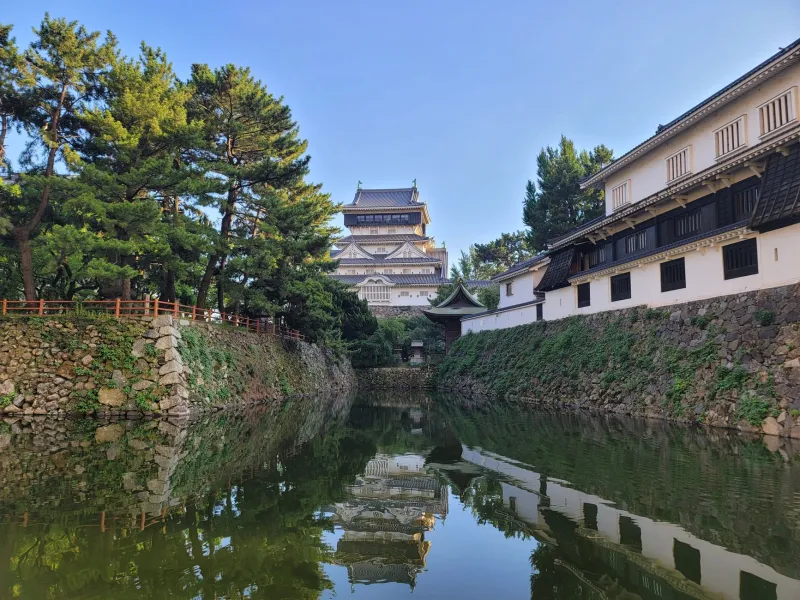
Shimabara breaks this loop not through any particular mindfulness practice or digital detox gimmick. It breaks it structurally. When you arrive here, there is no overwhelming menu of viral experiences to work through. The local tourism infrastructure isn't optimized for content creation. The streets around Shimabara Castle don't have designated photo spots marked with little footprint stickers. The spring water that flows openly through the old samurai district — cold, clear, and completely free to drink — doesn't have a hashtag.
Nobody is watching. Nobody is ranking. And that changes everything.
What Disappearing Actually Feels Like
The first day in Shimabara tends to feel a little uncomfortable for Americans wired for stimulation. You walk through the samurai quarter, where old stone walls line narrow lanes and koi drift through channels of spring water, and you think: okay, but what am I supposed to do here? There's no audio tour. No QR code experience. No gift shop at the entrance.
By the second day, something shifts. You stop scanning for the next thing and start noticing the current one. The way the morning light hits the castle walls. The sound of water moving through the city's underground springs — a system so pure that locals still fill jugs from public spigots. The rhythm of a fishing village that has been doing exactly this for several hundred years and doesn't need your approval to keep going.
This is what psychologists sometimes call presence — the state of being fully absorbed in your immediate environment rather than monitoring it for content value. It's harder to achieve than it sounds, and most popular tourist destinations actively work against it. Shimabara, almost accidentally, makes it easy.
A Place That Doesn't Need Your Validation
There's something quietly radical about visiting a destination that has no interest in your Instagram. Shimabara's local culture is deeply rooted — in its history as a castle town, in the agricultural traditions shaped by the volcanic soil of Mount Unzen, in the Catholic heritage left behind by centuries of hidden Christian communities who practiced their faith underground when it was literally illegal to do so. These aren't stories that need a filter or a caption. They exist whether you document them or not.
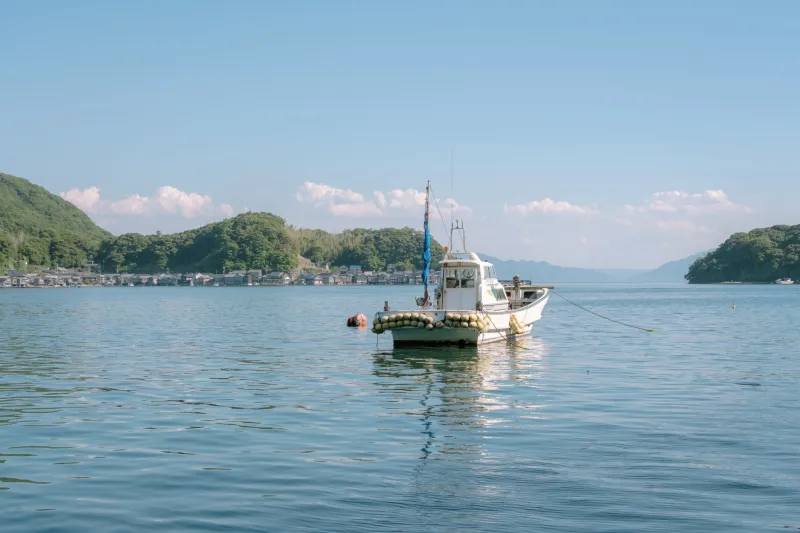
And that independence is oddly liberating. When a place doesn't perform for you, you stop performing for it. You eat guzoni — Shimabara's traditional mochi soup — because it tastes extraordinary, not because the bowl photographs well. You walk the castle grounds in the rain because the rain is actually kind of beautiful on the stone, not because you need a moody travel shot. You sit by the harbor at dusk and watch the light change over the Ariake Sea and you don't reach for your phone, because what would you even caption it?
Nice light. You had to be here.
The Paradox, Explained
Here's the thing about FOMO that most travel content won't tell you: it's not actually about the places you're missing. It's about the belief that somewhere else, something better is happening without you. That belief requires a constant stream of evidence — other people's highlight reels, ranked lists, trending destinations — to stay alive.
Shimabara starves that belief. Not because it's boring (it's genuinely not), but because it operates outside the ecosystem that feeds FOMO in the first place. There's no algorithm surfacing Shimabara content at you. There's no influencer economy built around the peninsula. The people who come here tend to come because someone who actually visited told them to — a recommendation carried by genuine enthusiasm rather than sponsored content.
When you're here, you're not missing out on Shimabara because you're in Shimabara. And because Shimabara isn't competing for your attention through your phone, it gets your actual attention instead. The full, embodied, unmediated kind that most of us have nearly forgotten how to give.
That's the paradox. You disappear from the map of places that matter, and suddenly, everywhere you look, something matters.
How to Actually Do This
If you're planning a Japan trip and you want to test this theory, build in at least three nights on the Shimabara Peninsula. Stay somewhere small — a family-run inn rather than a chain hotel. Leave your content calendar at home. Walk the samurai district without a destination. Take the local bus to a coastal village and eat whatever the one restaurant is serving.
Don't plan every hour. Let some of the schedule be empty, and then notice what fills it.
You'll probably feel the itch on day one. The pull toward your phone, toward checking what else you could be doing, toward documenting proof that you're having a good time. Let it pass. It usually does by the afternoon.
What replaces it is harder to photograph and easier to carry home.