Soak It Out: How Shimabara's Hot Springs Are Replacing the Therapist's Couch for Burned-Out Americans
Katie from Denver hadn't cried in two years. Not at her father's retirement party, not during her divorce mediation, not even during the part of Everything Everywhere All at Once that wrecked literally everyone else in the theater. She was, as she put it, "fully sealed shut."
Then she lowered herself into an outdoor bath at a small ryokan outside Shimabara City, watched steam curl up into a cold November sky, and lost it completely.
"I didn't even know what I was crying about," she said. "I just know that when I got out, I felt like something had been returned to me."
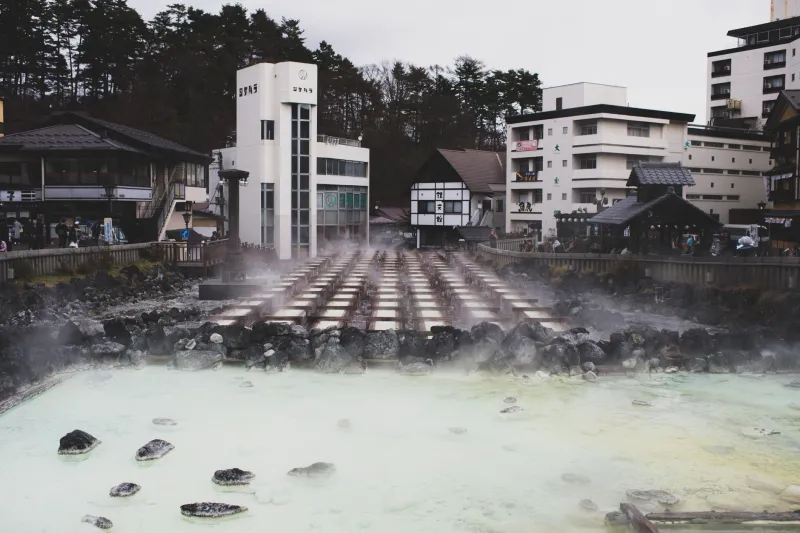
Katie is not alone. Over the past few years, a quiet but growing wave of Americans has started making the trip to Shimabara Peninsula — not for the castle, not for the cycling routes, not even for the food — but for the water. Specifically, for the onsen: geothermal hot spring baths fed by the volcanic activity of nearby Mount Unzen, which hasn't fully gone to sleep since its last major eruption in the 1990s.
What the Science Actually Says
Before you roll your eyes at "wellness tourism," it's worth knowing that the therapeutic case for hot spring bathing isn't just vibes. Balneotherapy — the clinical term for bathing in mineral-rich water as a health practice — has been studied seriously in Japan, Germany, and increasingly in the United States.
Shimabara's onsen water is particularly high in sodium bicarbonate and sulfur compounds, both of which have documented effects on the skin and circulatory system. The heat itself triggers vasodilation, which lowers blood pressure and floods the body with endorphins. Combine that with the drop in cortisol that comes from sustained warmth, and you're looking at a measurable physiological shift — not just a pleasant afternoon.
Dr. Hiroshi Tanaka, a Nagasaki-based researcher who has studied Kyushu's geothermal bathing culture for over a decade, puts it plainly: "The body doesn't know it's on vacation. It just knows it's warm, it's safe, and it's still. For many people, that combination is genuinely rare."
For Americans running on four hours of sleep and seventeen open browser tabs, "rare" might be an understatement.
The Peninsula as a Partner
What separates Shimabara's onsen experience from, say, a spa day in Scottsdale isn't just the mineral content. It's the context.
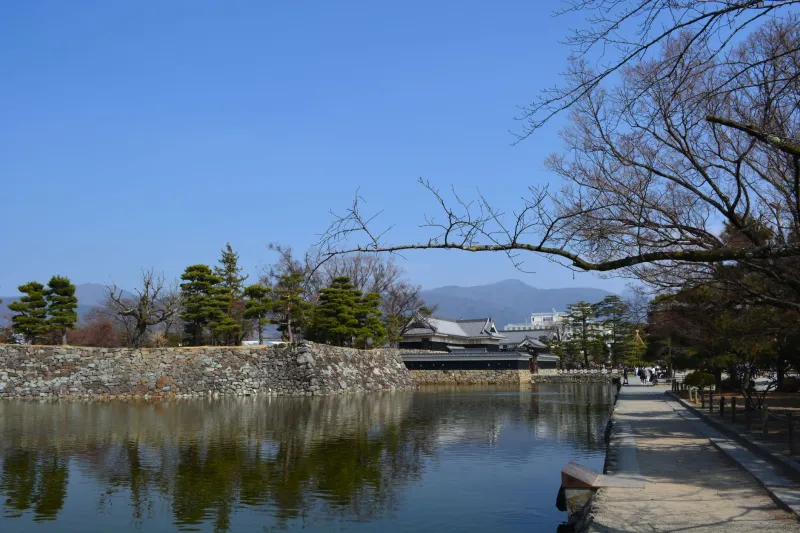
Shimabara Peninsula sits at the western edge of Kyushu, jutting into the Ariake Sea like it's not entirely sure it wants to be part of the mainland. The landscape is volcanic and a little moody — lush in ways that feel accidental, dotted with small towns that seem to exist on their own schedule entirely. There are no massive resort complexes here. No DJ sets by the pool. The whole place has a kind of low-frequency hum to it, like a tuning fork that's been struck and left alone.
That environment matters. Research on restorative environments consistently shows that natural, low-stimulation settings accelerate psychological recovery. Shimabara, with its steaming hillsides and half-empty streets, is basically a textbook example of what environmental psychologists call a "soft fascination" landscape — one that holds your attention gently rather than demanding it.
In plain terms: the peninsula does some of the work before you even get in the water.
Where to Actually Go
Shimabara City itself has several accessible public baths, including the beloved Shimabara Onsen district near the castle, where you can soak for next to nothing alongside locals who've been coming for decades. These aren't tourist facilities. They're neighborhood institutions. You'll need to know the basics of onsen etiquette — rinse before you enter, no swimsuits in the communal baths, phones stay in your bag — but the regulars are generally patient with respectful visitors.
For something more immersive, the ryokan inns scattered across the peninsula offer private or semi-private baths with longer soak times and the kind of quiet that's hard to manufacture anywhere else. Several properties near Unzen Onsen, up in the mountains, have outdoor rotenburo baths where you can watch mist roll through the cedar trees while the water holds you at exactly the temperature your nervous system has been begging for.
Mark, a project manager from Chicago who spent five days on the peninsula last spring, described his experience at one of these outdoor baths as "the first time in maybe ten years that I genuinely forgot what I do for a living."
"I kept waiting for the anxiety to come back," he said. "It didn't. Not the whole trip. And honestly, it took about a week after I got home before the noise came back too."
Not a Cure. A Reset.
To be clear: nobody at Yokabai Shimabara is suggesting you cancel your therapy appointments. Mental health care is real and important, and a hot spring in Japan is not a substitute for professional support.
But there's something worth taking seriously in what visitors like Katie and Mark are describing. The modern American wellness industry is enormous, expensive, and often weirdly performative — green juice and breathwork and silent retreats that cost more than a semester of college. Shimabara offers something different: a place where the healing isn't packaged, where the landscape isn't curated for your Instagram, and where the water has been doing this job for centuries without needing a rebrand.
You don't have to arrive broken to leave feeling better. But if you do arrive carrying something heavy, there's a good chance the peninsula will help you set it down.
Just maybe bring a small towel. And leave the phone in the room.