Saddle Up, Slow Down: The Shimabara Peninsula Bike Loop That Earns Every Mile
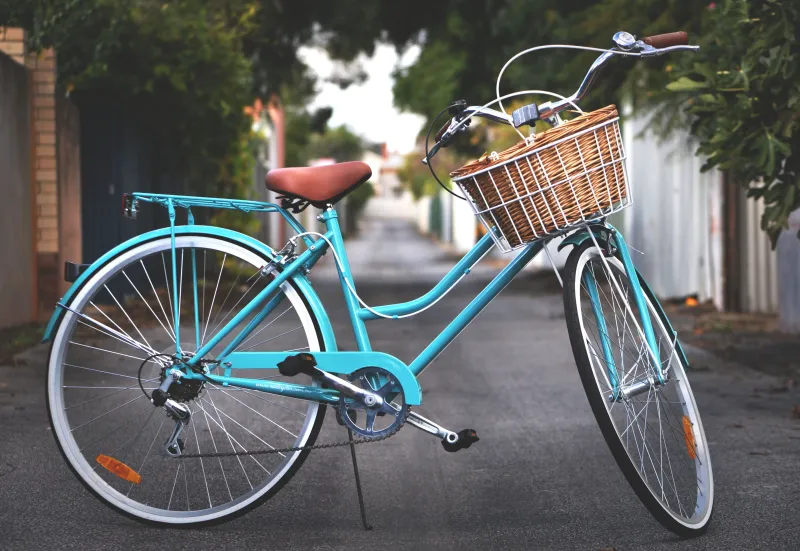
Photo: bicycle touring coastal road Japan sea mountain view Kyushu cycling, via i.pinimg.com
There's a moment somewhere around mile thirty-one, on a coastal road south of Shimabara city, where the Ariake Sea opens up on your left, Unzen's volcanic ridgeline fills the sky ahead, and there is absolutely nothing between you and all of it except a light headwind and the sound of your own breathing.
No tour bus window. No train glass. No algorithm curating the view.
Just the road, the sea, and the strange, specific satisfaction of knowing you got here the hard way.
The Shimabara Peninsula loop is roughly fifty miles of cycling that traces the coastline and dips into the rural interior — and it is, without much competition, one of the most rewarding days you can spend on two wheels anywhere in Kyushu. It's not technically demanding by cycling standards, but it asks something of you that most Japan travel doesn't: patience, a tolerance for getting a little lost, and the willingness to stop somewhere that has no reviews because it has no Wi-Fi.
Before You Clip In
Rental bikes are available in Shimabara city, and a hybrid or light touring bike is the right call — you'll want gears for the gradual climbs around the peninsula's midsection, but you're not hauling yourself up mountain passes. E-bikes are also available if you want to cover ground without arriving at dinner completely wrecked, and there's no shame in that.
Start early. Seven in the morning early, ideally. The coastal road south of town catches the morning light in a way that'll make you stop for photos within the first twenty minutes, and you'll want that buffer time built in from the start. Pack water, snacks, sunscreen, and a small amount of cash — several of the best stops along the route are deeply, cheerfully analog.
Download an offline map before you leave. Cell signal gets inconsistent in the interior sections, and this is not a complaint. It's part of the deal.
The Southern Stretch: Coast and Quiet
The first leg runs south along the Ariake coast, and it sets the tone for everything that follows. The road is narrow in stretches, the kind of narrow that makes you instinctively slow down and look around, which is exactly what you should be doing anyway. Fishing villages appear and disappear. Nets hang drying near the water. Small concrete shrines with fresh flowers mark turnoffs to nowhere in particular.
Stop at one of those shrines. They're everywhere on this route, and almost none of them are in any guidebook. Some are barely knee-high, wedged between a retaining wall and a mandarin orange tree. Others are larger, with torii gates and stone lanterns flanking a short gravel path. You don't need to know their names or their history to appreciate what they represent: that someone, for a very long time, has considered this particular spot worth honoring.
Around the southern tip of the peninsula, the road curves west and the landscape changes. The coast gets rockier, the vegetation thicker. This is where you'll find one of the route's best lunch stops — a family-run restaurant operating out of what appears to be a converted home, with a hand-lettered sign and a menu that exists entirely in Japanese. Point at what the table next to you is eating. It will be correct.
The Interior Climb: Where It Gets Real
Heading north through the peninsula's interior is where the route earns its reputation. The terrain rolls more seriously here, with long gradual climbs through farmland and forested hillsides. The road gets quieter. You might go twenty minutes without seeing another vehicle.
This is the section where most riders hit their first mental wall — the legs are fine, but the mind starts negotiating. Maybe I could cut across here. Maybe I don't need to do the full loop. Push through it. The views from the higher sections of the interior, looking back toward the coast and out over the Shimabara city below, are worth every minute of the climb.
Somewhere in this stretch you'll pass through a small agricultural village — the kind of place with a community bulletin board and a vending machine selling hot canned coffee. Buy the coffee. Sit on whatever's available. Watch the village do its afternoon thing for ten minutes. This is not wasted time. This is the entire point.
The Northern Return: Volcanic Territory
As you loop back north and east toward Shimabara city, the landscape shifts again — you're riding now through territory shaped by the 1990 Unzen eruption, and the evidence is still visible if you know where to look. A preserved neighborhood buried under volcanic debris has been turned into a kind of open-air memorial, accessible from the road. It's sobering and fascinating in equal measure, and it reframes the mountain that's been watching over your whole ride.
The final miles back into Shimabara city feel like a reward. The road flattens, the sea reappears, and the castle comes into view ahead. Your legs know they've done something real.
The Honest Part
This loop is not perfectly signposted. You will probably take at least one wrong turn. Some of the road surfaces in the interior are rougher than ideal. A couple of the best stops — the lunch spot, a particular coastal lookout, a roadside stall selling local citrus — are things you find, not things you plan.
That's the whole argument for doing this instead of booking another bus tour.
Japan at bullet train speed is impressive. Japan at bicycle speed is something else entirely — a country that reveals itself in texture and detail and small, unhurried moments that you can't photograph fast enough and wouldn't want to.
The Shimabara Peninsula loop gives you all of that, and about fifty miles of very good reasons to come back.