Less Is More, and Shimabara Proves It: What Happens When Americans Finally Run Out of Options
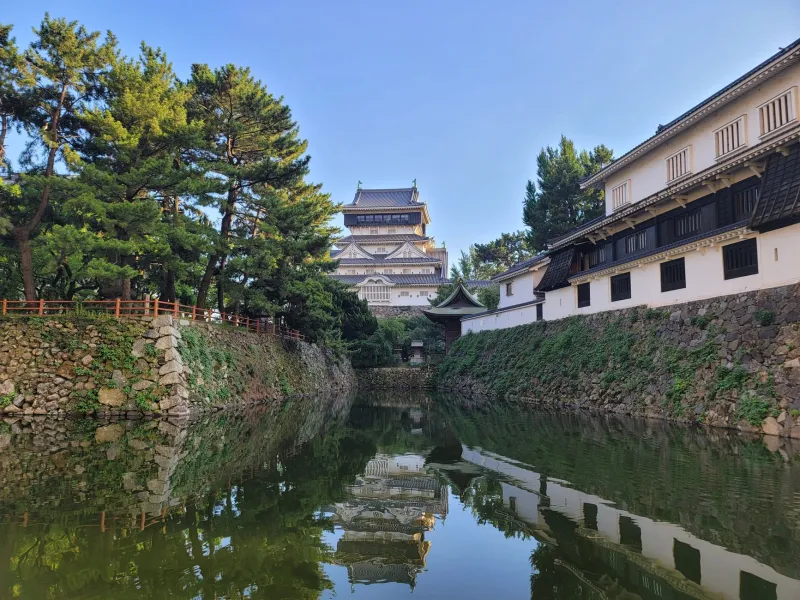
Sarah Chen landed at Nagasaki Airport with a carry-on bag, a loose itinerary, and about forty-seven apps on her phone designed to optimize every waking moment of her trip. Two days later, sitting on the stone wall of Shimabara Castle with a convenience store onigiri in one hand and absolutely nothing scheduled until dinner, she felt something she hadn't felt in years.
Relief.
"I kept waiting for the anxiety to kick in," she said. "Like, there's no Yelp-verified ramen spot on my list. There's no Instagram location tag. And somehow that was... fine? More than fine."
Sarah's experience isn't unusual among Americans who make the trip out to the Shimabara Peninsula. In fact, it's almost a rite of passage. You arrive expecting a vacation. You get something closer to a reset.
The Paradox Nobody Warns You About
Here's the thing about Shimabara that doesn't show up in the brochures: the very qualities that might make a certain type of traveler nervous — limited nightlife, fewer international chain restaurants, no sprawling resort complexes — are exactly what makes the place work on you.
American travel culture is built on abundance. We want options. We want to feel like we could be doing something better than what we're currently doing. That background hum of possibility — the sense that there's always a cooler bar, a trendier neighborhood, a more photogenic plate of food just one more scroll away — follows us everywhere. Even on vacation.
Shimabara doesn't really play that game. And it turns out, for a lot of people, that's the whole point.
What the Science Actually Says
Psychologists have a name for what happens when you face too many choices: decision fatigue. The more decisions you make in a day — what to eat, where to go, what to do next — the worse your brain gets at making them. By the time you're sitting in a Tokyo ramen shop staring at a menu with thirty-eight options, you're not excited. You're exhausted.
The concept got a lot of attention after psychologist Barry Schwartz published The Paradox of Choice back in 2004, arguing that more options don't make us happier — they make us more anxious and less satisfied with whatever we eventually pick. Two decades later, that idea feels more relevant than ever.
Shimabara, almost accidentally, is a living experiment in what happens when you remove that burden. The peninsula has good food, interesting places to stay, and genuinely worthwhile things to do. It just doesn't have overwhelming amounts of any of them. And that distinction matters more than you'd think.
The First 48 Hours
Most visitors hit a recognizable pattern during their first two days on the peninsula.
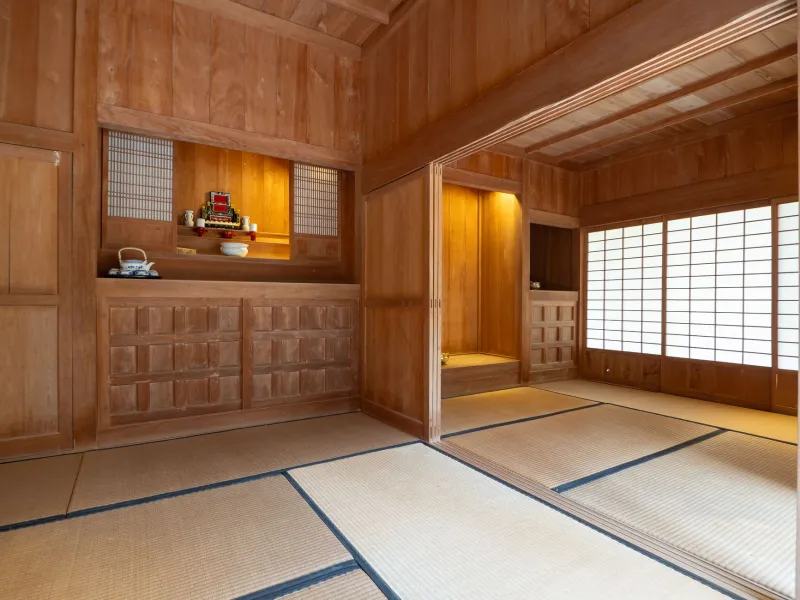
Day one tends to involve a low-grade restlessness. You've checked into a smaller guesthouse than you're used to. The room is clean, comfortable, and utterly without distractions. You realize you've been reflexively reaching for your phone to check something — restaurant reviews, weather forecasts, social media — and there's just... less urgency to it here. The WiFi works fine, but somehow the impulse fades.
Marcus Webb, a project manager from Austin who visited last spring, described the first evening as "weirdly uncomfortable in a way I couldn't name." He'd walked along the waterfront, eaten at a small place near the castle that someone at his guesthouse had recommended, and gone to bed at 9:30 p.m.
"I woke up the next morning feeling like I'd slept for a week," he said. "And I realized I hadn't made a single decision the night before that required any real effort. Someone pointed me somewhere. I went. It was good. That was the whole thing."
Day two is usually when something shifts. The restlessness settles. The absence of options stops feeling like deprivation and starts feeling like permission.
What You're Actually Stripping Away
It's worth being honest about what "simplification" means in practice, because it sounds more dramatic than it is. You're not roughing it in Shimabara. The ryokans are comfortable. The food is genuinely excellent — fresh seafood from Ariake Sea, local produce shaped by volcanic soil, dishes that carry centuries of regional history. The onsen are restorative in a way that no hotel spa has ever quite matched.
What you're stripping away is the infrastructure of optimization. The constant background project of making sure you're squeezing maximum value out of every hour. The low-level guilt of not doing enough, seeing enough, experiencing enough.
Jennifer Park, a therapist from Seattle who spent four days on the peninsula as part of a longer Japan trip, put it plainly: "I spend my whole professional life helping people slow down and be present. And then I go on vacation and I'm just as bad as everyone else. Shimabara was the first place in years where I actually practiced what I preach."
The Clarity Problem
Here's what nobody tells you about constraint: it has a clarifying effect that abundance can't replicate.
When you have forty restaurants to choose from, the question of where to eat becomes a referendum on your taste, your priorities, your willingness to take a risk. When you have three, it becomes a simple, solvable problem. And once the simple problems are handled, your brain has space to turn toward bigger ones.
Multiple visitors reported that their most significant personal insights on Shimabara — the kind of thoughts you actually want to have on vacation, about your life and what you want from it — arrived not during some planned reflective activity, but during the unscheduled gaps. A walk along the castle moat. A long soak in the onsen. A slow cup of coffee while watching the bay.
The brain, it turns out, does its best thinking when it's not busy managing logistics.
Coming Home Different
The most consistent thing visitors say about leaving Shimabara is that they feel recalibrated in a way that's hard to explain to people who haven't been there.
Not enlightened. Not transformed. Just... clearer. Like the noise got turned down a few notches and they can finally hear themselves think.
Marcus from Austin said it best: "I came back and my apartment felt like a lot. My phone felt like a lot. My to-do list felt like a lot. And I spent about a week just quietly asking myself which of it actually mattered."
Shimabara doesn't give you answers. It gives you the quiet you need to start asking better questions. And in a world that's constantly trying to sell you more options, that might be the most valuable thing a place can offer.
The peninsula has been sitting here at the edge of Kyushu for centuries, unbothered by the noise. It'll be here when you're ready to come find out what you actually need.