Why Shimabara Feels Unfinished Every Time You Try to Leave
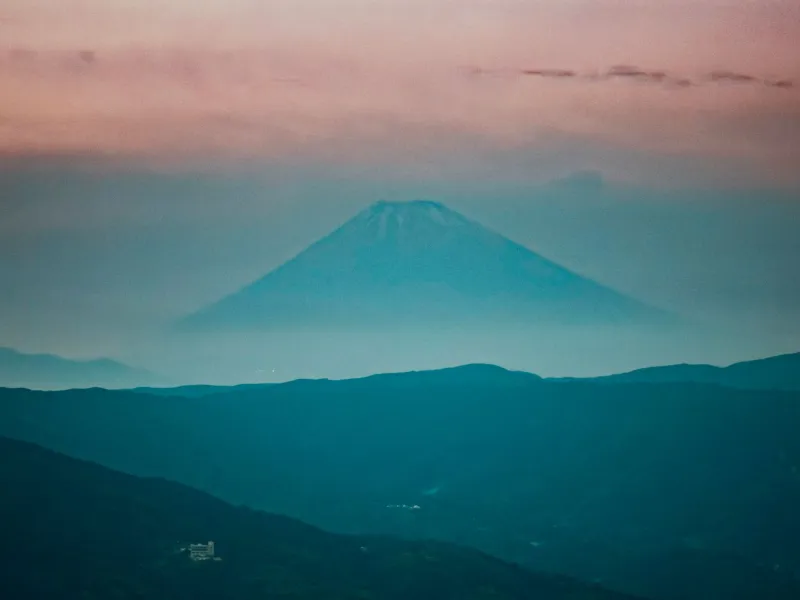
There's a moment most Shimabara visitors know but rarely talk about. You've packed your bag. Your ferry or bus is scheduled. You've done the math on your itinerary, and logically, it's time to go. Then you step outside your guesthouse, feel the particular weight of the morning air rolling off Mount Unzen, and the math stops making sense.
This isn't a brochure-ready epiphany. It's quieter and more inconvenient than that. It's the feeling that you left something behind — not your phone charger, but something harder to name.
We started asking questions. We talked to repeat visitors, long-term expats who landed in Shimabara almost by accident, and locals who've watched outsiders cycle through this exact emotional loop. What we found wasn't a marketing story. It was something closer to psychology.
The Pace Does Something to Your Calendar
Americans, almost universally, arrive in Shimabara running on a different clock. We're optimizers. We've pre-loaded the Google Maps pins, blocked out the must-sees, and allocated exactly the right number of hours to each attraction. Shimabara doesn't fight that instinct — it just quietly dissolves it.
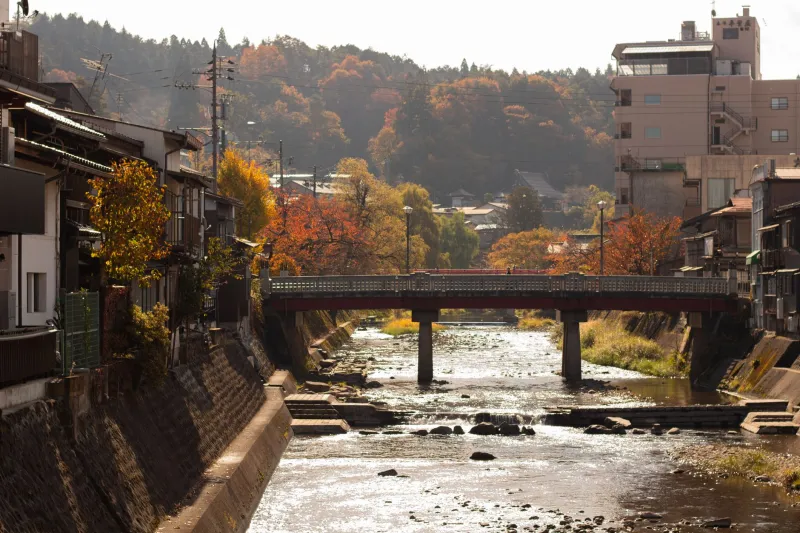
The streets don't rush you. The carp pools at Shimabara's famous water district sit there with a patience that borders on philosophical. The vendors at the morning market aren't performing urgency. After two or three days, your internal schedule starts to feel like a costume you forgot to take off.
Marcia, a graphic designer from Portland who visited last spring and extended her stay by four days, described it like this: "I kept adding one more morning. Just one more walk before the ferry. And then another morning. The place doesn't beg you to stay — it just makes leaving feel premature."
That word — premature — came up more than once. Not in a dramatic, "I've found myself" way. More like the feeling you get when you close a really good book before the last chapter because your flight landed.
Isolation That Deepens Instead of Distances
Shimabara sits on a peninsula that juts into the Ariake Sea, flanked by volcanic terrain and connected to the rest of Kyushu by routes that take some effort. It's not remote by Japanese standards, but it's far enough off the main tourist circuit that the crowds that define places like Kyoto or Osaka never quite materialize here.
For most destinations, that kind of obscurity breeds a certain shallowness — fewer services, fewer English menus, fewer reasons to linger. Shimabara flips that equation. The absence of tourist infrastructure means you're forced into actual contact with the place. You eat where locals eat because there isn't a "foreigner-friendly" strip to retreat to. You figure out the shotengai arcade market through trial and error. You end up in a conversation with a fisherman not because it's on the itinerary, but because there was nowhere else to stand.
Those unplanned moments are, almost without exception, what people remember. And more to the point, they're what people feel incomplete without more of.
Kenji, a Shimabara local who runs a small guesthouse near the castle grounds, has watched this pattern repeat for years. "The guests who stay the longest," he says, "are usually the ones who had the shortest plan when they arrived. They came for two nights and then realized they'd only scratched the surface of something."
The Geography Gets Personal
There's a specific kind of relationship you develop with a place when its landscape is this legible. Shimabara's geography isn't abstract. The volcano is right there, visible from almost everywhere, occasionally reminding you it's alive. The coastline curves in ways that feel navigable on foot or by bicycle. The hot spring water literally runs through the streets in some neighborhoods.
This isn't scenery. It's a presence. And presence, unlike scenery, creates attachment.
Travel psychologists talk about something called "place identity" — the way certain environments become woven into how we understand ourselves, even briefly. Shimabara is unusually good at triggering this. The combination of geological drama, human-scale streets, and genuine quiet creates conditions where visitors stop observing and start inhabiting. That shift from tourist to temporary resident is where the reluctance to leave is born.
Dave, a software engineer from Austin who stumbled onto Shimabara during a broader Kyushu trip, put it simply: "I've been to places that were more impressive on paper. But Shimabara was the only place where I actually felt like I lived there for a minute. That's hard to walk away from."
What Locals Know That Visitors Are Still Learning
Here's the thing nobody in the tourism brochures tells you: Shimabara residents have a word — yokabai — that's woven into the regional identity here. It's a Kyushu dialect expression of approval and affirmation, something like "this is good" or "this is right." It doesn't translate perfectly, which is sort of the point. Some things about this place resist clean packaging.
The locals who've watched outsiders fall into the departure-reluctance loop aren't surprised by it. They live with the thing that visitors are only beginning to feel. The pace isn't a tourism strategy — it's just how life here works. The human connections aren't curated for Instagram — they're byproducts of a community that's small enough to actually function as one.
What visitors experience as a revelation is, for Shimabara's residents, just Tuesday.
And maybe that's the most honest explanation for why leaving feels wrong. You've spent your whole trip catching up to a rhythm that the locals have been living all along. By the time you've matched it — by the time you've slowed down enough to actually hear the place — the ferry is scheduled and the itinerary is calling.
The Incomplete Ending Isn't a Bug
Here's a reframe worth sitting with: maybe the feeling of incompleteness isn't a failure of planning. Maybe it's evidence that you found something real.
Most travel is designed to be consumable. You arrive, you collect the experiences, you leave satisfied. Shimabara doesn't work that way. It opens doors at a rate that outpaces a typical trip. The more you engage, the more there is to engage with — another trail up Unzen, another neighborhood you didn't walk through, another conversation you didn't have time for.
That's not a flaw in the destination. That's a sign of depth.
The visitors who return — and there are plenty of them — don't come back because they missed something the first time. They come back because the first trip taught them what kind of place this is, and they want more of it now that they know.
Leaving Shimabara feeling like the ending came too soon isn't a travel mistake. It's probably the clearest signal you'll get that you found somewhere worth coming back to.
And honestly? That's a pretty good problem to have.