Alarm Set for 5 A.M.: A Realist's Calendar of Shimabara's Festival Season
Photo: Terry Lucas, CC BY 3.0, via Wikimedia Commons
Let's skip the brochure language: Japanese festivals are wonderful, and they are also logistics problems. If you show up at noon expecting a postcard, you'll get the back of someone's head and a warm can of coffee from a vending machine. Shimabara's festival season is far more rewarding than that — but only if you know where to stand and when to be awake.
Here's the honest version, season by season.
Spring: Koinobori and the Art of Arriving Early
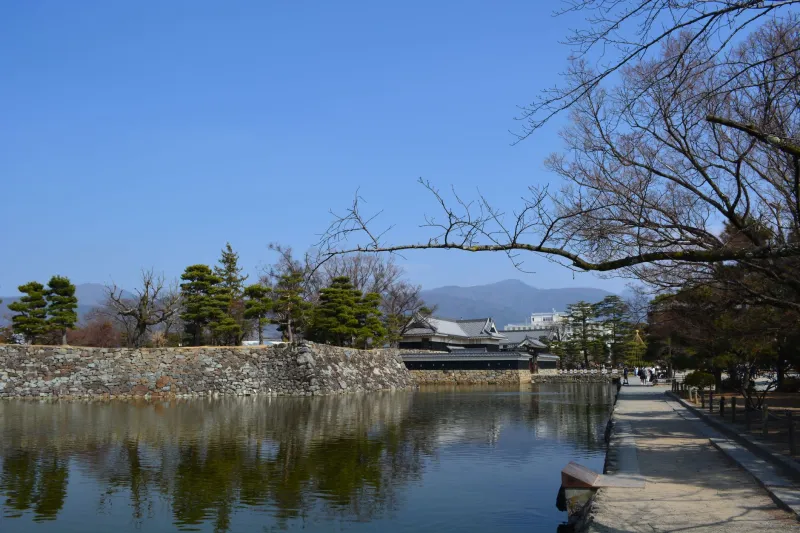
Late April into early May, carp streamers (koinobori) go up across town for Children's Day, and the whole peninsula softens into celebration mode. The streams of fabric fish over the waterways — yes, the same canals from every photo you've seen — are genuinely worth a 6 a.m. walk, when the light is low and you'll share the streets with exactly zero other tourists.
Honest advice: the photo everyone wants is taken by 7 a.m. or not at all. Bring a layer; mornings run cool even in May.
Summer: When the Whole Town Gets Soaked
The headline event of the year for many visitors is the water-fighting festival tradition tied to Shimabara's famous springs — celebrations where water gets splashed, sprayed, and enthusiastically thrown through the streets in the middle of summer heat. Think of it as a religiously sanctioned water balloon fight with centuries of pedigree.
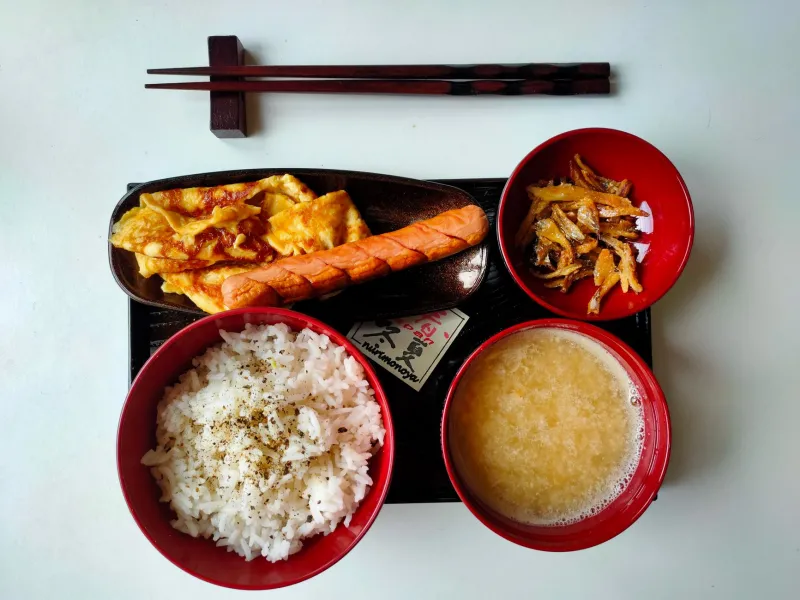
Where to stand: the edge of the route, not the middle. The middle is where you get drenched; the edge is where you choose to. Wear quick-dry clothes and expect your phone to get wet no matter what the ziplock promised. Arrive 45 minutes early to claim shade. Eat the festival food — grilled corn, kakigori shaved ice, anything on a stick — from the stalls lining the approach roads rather than the ones at the main intersection.
Autumn: Unzen's Rituals and the Turning Leaves
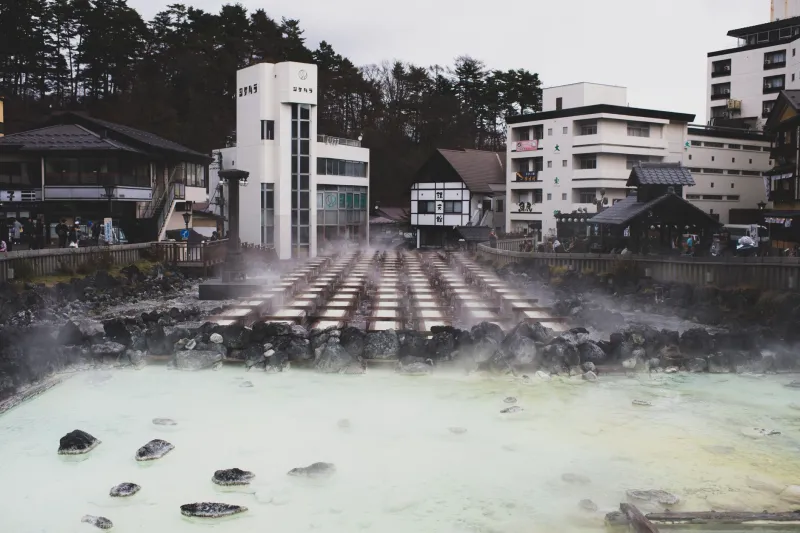
Fall belongs to the mountains. Unzen Onsen, up at elevation amid the volcanic steam vents, hosts shrine rituals and seasonal festivals framed by some of Kyushu's best autumn color. The combination of rising sulfurous steam, vermillion maples, and a procession in period dress is the single most atmospheric scene on the peninsula.
Worth the alarm: yes — if a dawn ritual or early procession is on the schedule, go. The 5 a.m. wake-ups of this trip should be reserved for moments like this, not for airport lines.
Winter: Fewer Crowds, Deeper Soaks
Winter festivals here are smaller, colder, and more intimate — think illumination events, New Year shrine visits in coats and scarves, and the profound wisdom of timing your festival day to end in an outdoor onsen while your breath frosts. Crowds are minimal. Bring traction for your shoes if ice is possible.
The Planner's Cheat Sheet
- Book lodging first, festival second. Shimabara's accommodation stock is small; a festival weekend can sell out weeks ahead.
- Build in buffer days. Trains and buses along the peninsula run on rural schedules, not festival schedules.
- Eat where the locals queue. The longest line is the honest review system.
- Learn two words: yoroshiku (nice to meet you) and oishii (delicious). They will carry you further than a translation app.
The Bottom Line
Shimabara's festivals deliver everything Kyoto's do — processions, food stalls, centuries of ritual — minus the shoulder-to-shoulder endurance test. What they ask in return is simple: show up early, stand smart, and be willing to get a little wet.