The Canals That Refused to Die: How a Feudal Water Network Outsmarted Modern California
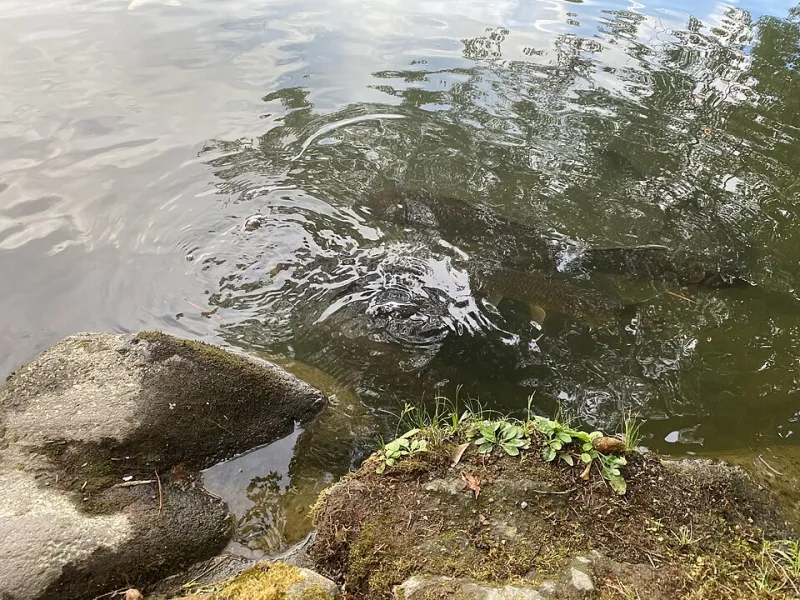
Photo: Immanuelle, CC BY-SA 4.0, via Wikimedia Commons
Somewhere in the American West right now, a water district is spending millions on a feasibility study for infrastructure that won't break ground for a decade. Meanwhile, in a small castle town on the Shimabara Peninsula, water that fell as snow on Mount Unzen is flowing through channels dug by hand in the 1600s — past samurai residences, under kitchen floors, and into koi ponds that have been fed by the same source since before the United States existed.
Nobody in Shimabara thinks of this as a museum piece. That's the part that should make American engineers squirm a little.
Water With a Job to Do
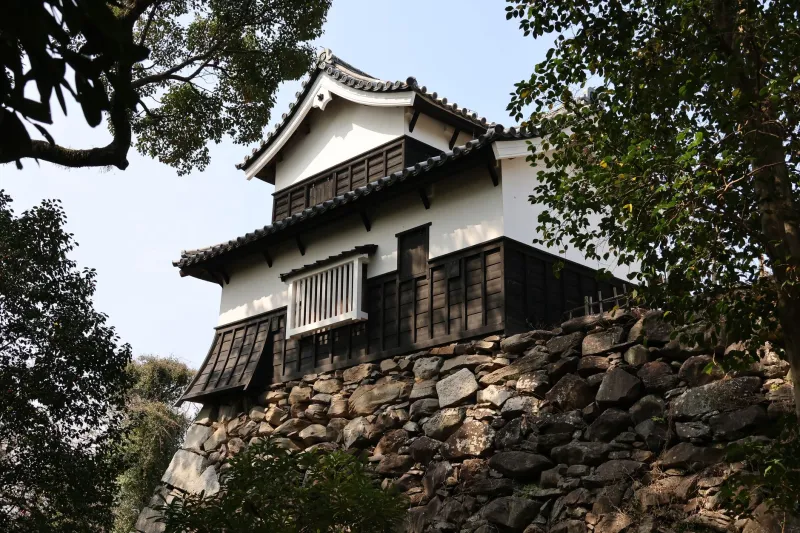
The system is called the Shimeidare canals — actually, locals will give you a half-dozen names depending on which channel you're standing next to, because there isn't one waterway but a braided network of them. Spring water from Unzen's slopes was deliberately routed through the castle town, serving the samurai quarter first. This wasn't charity. A lord's retainers needed drinking water, kitchen gardens, and firebreaks, and a moat-fed castle needed a reliable supply that couldn't be cut off by a besieging army.
The engineering insight is almost embarrassingly simple: let gravity do the work. The canals drop gently through town, no pumps required, running on a gradient calibrated by trial, error, and presumably a lot of very frustrated feudal surveyors. The water arrives cold, clean, and constant — the same temperature in August as in February.
Walk the backstreets today and you'll see it in action. Koi drift through channels running alongside the pavement. Guesthouse owners plunge melons and drinks into the flowing water instead of refrigerators. An elderly woman rinses vegetables at a stone basin her family has used for generations. The system isn't being preserved. It's being used, which is a completely different thing.
What California Could Learn From a Daimyo
I'll admit the comparison in the headline is a little cheeky, but stay with me. California's water problem isn't just scarcity — it's centralization. Massive aqueducts move water hundreds of miles from source to tap, and when one link fails, millions of people feel it. The whole architecture depends on energy, maintenance budgets, and political deals that take years to negotiate.
Shimabara's model is the opposite: decentralized, redundant, and boring in the best way. Dozens of small channels means dozens of failure points that are each individually fixable by a guy with a shovel. The water is consumed close to where it's captured, so almost nothing is lost to evaporation over a 300-mile haul through the desert. And because the canals are woven into daily life — every household touches them, every neighbor has a stake — the maintenance happens constantly, informally, and for free.
There's a governance lesson buried in there too. The canals survived because they never stopped mattering to anyone. Infrastructure that a community depends on daily gets maintained. Infrastructure that's abstracted away behind a utility bill doesn't.
Walking the Water Route
For the traveler, this history is best experienced on foot, and the town makes it easy. Start near Shimabara Castle, where the samurai district begins, and just follow the sound of running water. The famous stretch with koi-filled channels runs through the old bukeyashiki — the samurai residences — and it's genuinely one of the most photogenic walks in Kyushu, though almost nobody from overseas seems to know that.
Go in the late afternoon when the light comes down through the pines and hits the channels. Bring nothing but curiosity. A local will eventually explain the system to you unprompted; it's a point of pride, and honestly, the pride is earned.
The Takeaway You Carry Home
You don't need to build a canal. But there's something in this story for anyone who gardens in a dry climate, anyone who thinks about resilience, anyone tired of hearing that every problem requires a billion-dollar solution. Shimabara's water system is proof that the most durable infrastructure is the kind that's simple, local, and loved.
Four hundred years and counting. No pumps, no apps, no subscription. Just snowmelt, gravity, and a town that never stopped caring.