The Small Town That Kept Itself on the Map With Handshakes, Not Billboards
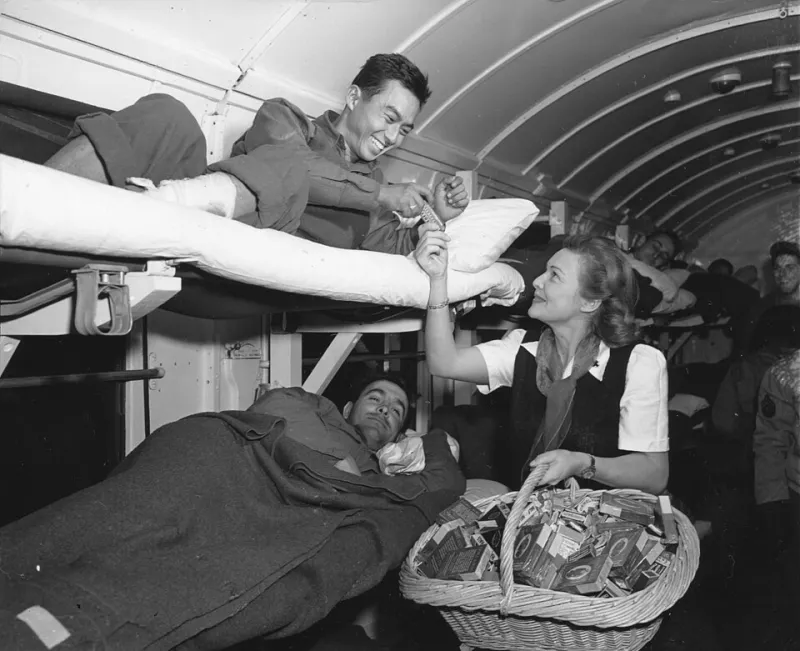
Photo: Signal Corps Archive, Public domain, via Wikimedia Commons
Here's a question worth sitting with: how does a town of roughly 40,000 people, at the end of a peninsula at the end of an island, stay visible in a world that rewards scale?
Shimabara's answer wasn't a marketing budget. It was friendship — the formal, documented, decades-long kind.
The Paper Trail of Friendship
Like hundreds of Japanese municipalities, Shimabara has sister-city and friendship agreements with communities abroad, including ties in the United States. And if that sounds like diplomatic wallpaper — the kind of thing a mayor signs, frames, and forgets — look closer at how these relationships actually function here.
The connections run through schools, through delegations that keep showing up year after year, through homestay exchanges where teenagers from both countries sleep in each other's houses and come home permanently rearranged. This is the slow, unglamorous machinery of genuine exchange. No hashtag, no influencer junket, no "top 10 hidden gems" listicle required.
What strikes me about this approach is how unfashionable it is. The modern playbook for a small destination is: go viral, absorb the crowds, build the parking lot, repeat. Shimabara seems to have looked at that playbook and decided it would rather know people than be known by them.
Why This Matters When You're Booking a Flight
Call me sentimental, but I think you can feel the difference between a place that wants your wallet and a place that wants your company. The sister-city relationships are a useful tell. A town that invests in long-term reciprocity — sending students abroad, hosting return delegations, maintaining the correspondence through budget cycles and pandemics — is a town that thinks in generations, not quarters.
When you visit somewhere like that, the hospitality isn't a transaction. It's an extension of a posture the community already holds. You're not a customer; you're the newest node in a network that's been quietly forming for decades.
There's also a practical benefit for American travelers: these ties mean Shimabara has already practiced being a good host to foreigners. English signage where it counts, guesthouse owners who've navigated cultural handoffs before, a community that's genuinely curious about where you're from rather than exhausted by where you're from.
A Case for Visiting the Places That Value You Back
I'll make the argument directly: put at least one trip in your life behind a place that values exchange over volume. It changes the texture of the travel. In Shimabara, that looks like a grandmother insisting you try her neighbor's guzoni, a high schooler practicing English on you at the bus stop, a ryokan owner who remembers your name the second night.
The famous places will still be there. Kyoto isn't going anywhere. But the window for experiencing a town that still measures its connection to the world in handshakes — before the world eventually discovers it anyway — is open now, and it won't stay open forever.
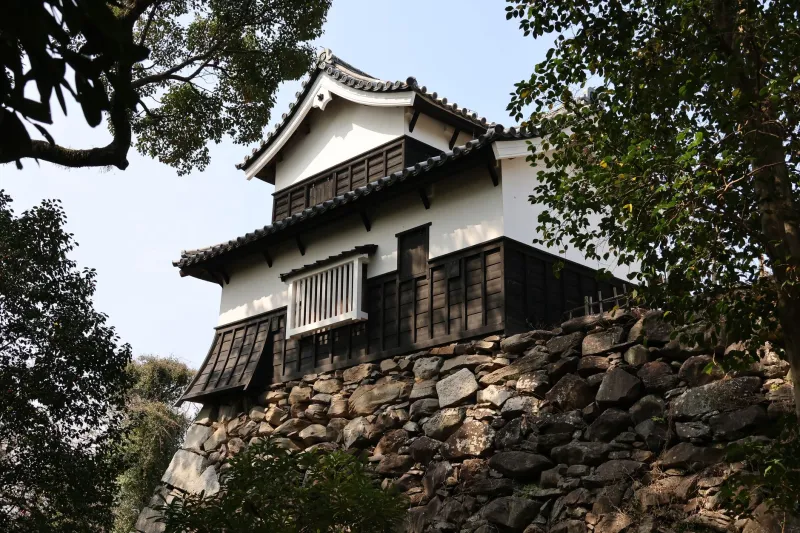
Come for the castle and the springs if you like. But stay a day longer than the itinerary suggests, and let the town do what it's been practicing for decades: make a stranger into a correspondent.