You'll Book Three Nights and Wish You'd Booked Seven: The Shimabara Time Trap
Most people who visit Shimabara make the same mistake. They treat it like a day trip from Nagasaki, or maybe a quick overnight on the way to somewhere else. They pencil in the castle, the samurai district, maybe a soak at one of the onsen. They figure they've got it covered.
Then something happens.
The morning light hits the water in a way they didn't expect. A conversation with a fisherman runs longer than it had any right to. They sit down at a small restaurant for what was supposed to be a quick lunch and end up staying for two hours because the owner brought out a dish they'd never seen before and wanted to explain every ingredient. By the time they're back at their inn, they've ticked off maybe half of what was on the list — and they don't care at all.
This is the Shimabara time trap. And almost nobody escapes it on the first visit.
Why Your Itinerary Falls Apart Here (and Why That's Fine)
America runs on productivity logic. We plan vacations the way we plan projects — milestones, deliverables, efficient use of time. Even our leisure has a throughput problem. So when travelers arrive in Shimabara carrying that mindset, the peninsula doesn't fight it. It just quietly dissolves it.
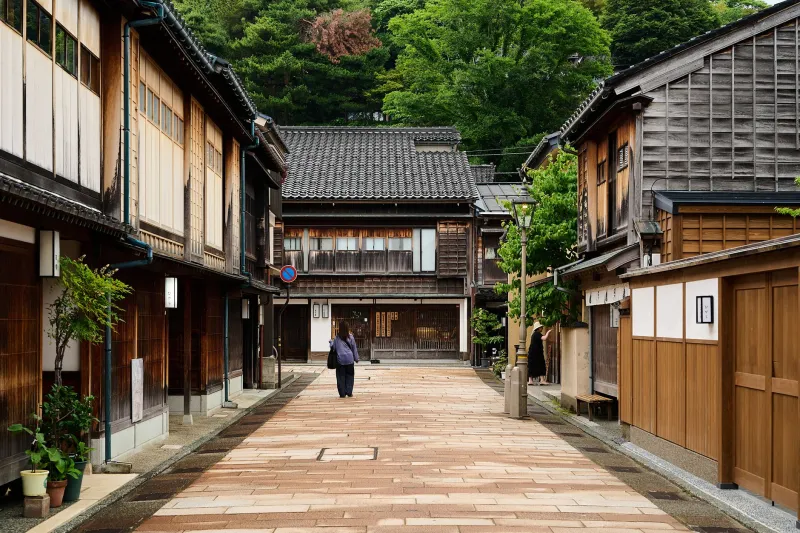
The place operates on a different rhythm. Conversations move slower. Meals are unhurried. The streets of the samurai district — Teppo-machi and Shime-machi — don't demand anything from you. They just exist, white-walled and calm, and somehow that patience is contagious.
Psychologists have a term for this: temporal expansion. When we're in environments that are rich with sensory novelty but low on urgency, our brains encode more distinct memories per unit of time. In plain English: an hour in Shimabara feels longer than an hour in a busy city because more of it gets remembered. You're not bored. You're just finally paying attention.
Repeat visitors describe it in almost identical terms. "The first time, I thought I was going too slow," says Rachel, a marketing director from Portland who has visited Shimabara three times in the past four years. "By the second day I realized I wasn't going slow — I was just actually there. Every other vacation I've taken, I've kind of been half-somewhere-else the whole time."
The Compound Effect of Staying Longer
Here's what nobody tells you before the first visit: Shimabara's value compounds. The first day is pleasant but a little disorienting — your nervous system is still recalibrating from wherever you came from. The second day, things start clicking. You begin to recognize faces. The woman at the tofu shop remembers you ordered the firm variety yesterday. You find a shortcut through the market district that wasn't in any guide.
By day three, something shifts. You're not visiting anymore. You're just living there — temporarily, impermanently, but genuinely. And that's when the place really opens up.
This isn't unique to Shimabara, but the peninsula accelerates the process in ways that larger tourist destinations don't. In Kyoto or Tokyo, there's always another landmark pulling your attention forward. The to-do list never empties. In Shimabara, the list empties on day two, and what you're left with is the actual experience of the place — the unscheduled stuff, the accidental stuff, the stuff that ends up in the stories you tell for years.
Travel writer and Japan-based blogger Marcus Holt, who has written extensively about Kyushu's lesser-visited regions, puts it this way: "Most destinations are front-loaded. The best stuff is obvious, it's on the surface, and you get it fast. Shimabara is back-loaded. The best stuff requires a little time investment before it reveals itself. Travelers who leave after two days are essentially walking out of a movie during the second act."
What You Miss When You Leave Too Early
Let's be specific, because vague promises about "authenticity" don't book return flights.
If you leave Shimabara after two days, you probably haven't made it out to the quieter coastal villages on the peninsula's western edge, where fishing nets dry in the afternoon sun and the pace drops another gear below what you thought was already slow. You haven't seen the way Unzen's volcanic landscape changes character in the late afternoon, when the steam vents catch the low light and the whole hillside looks like something from a different planet. You haven't had the chance to wander back to a spot you liked on day one and notice what's different about it on day four — because something always is.
You also probably haven't had the conversation. Every repeat visitor mentions this: there's always one conversation, usually unexpected, with a local resident, that reframes the entire trip. A retired schoolteacher who wants to practice English and ends up explaining the 1792 volcanic disaster through the lens of his own family history. A ceramics maker who shows you a piece she almost discarded and explains why imperfection is the point. These conversations don't happen on day one. They require a little residency.
How to Actually Plan for This
If you're building a Japan itinerary and you're serious about including Shimabara, here's the honest advice: give it at least five nights. Not because there are five days' worth of landmarks to check off — there aren't, and that's the whole point. Give it five nights because the first two are adjustment, the third is arrival, and the last two are where you actually live it.
If five nights feels like too much to carve out of a two-week Japan trip, consider what you're trading. Another half-day in a city you've already half-seen, or the full experience of a place most travelers never discover at all?
Rachel from Portland is already planning her fourth visit. She's booked a full week this time. "I keep thinking I'll run out of things to do," she says. "I never do. I don't even know how that's possible, but I've stopped questioning it."
Shimabara doesn't advertise itself loudly. It doesn't need to. The people who find it tend to come back, and when they do, they always stay a little longer than last time. That's not a coincidence. That's the whole story.